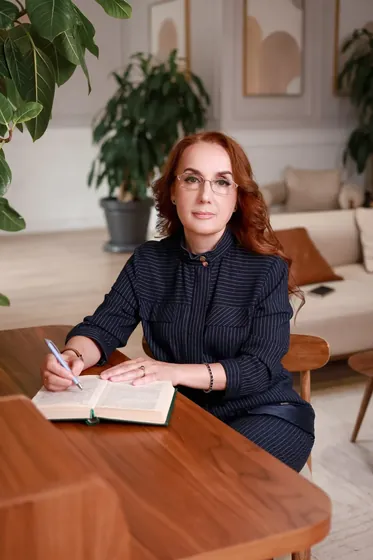
A meeting for the parents
We gather the history and the context: family, school, sleep, health. If an assessment by a doctor or another specialist is needed first, I say so directly.
We always start with the parents — a meeting without the child, to map the situation and decide together whether the child needs sessions at all. Often changing the environment changes the child.
child session 50 minutes — 60 € · parents meeting 50 minutes — 60 €
If you recognise your situation, you don't have to choose a method in advance. Write in your first message what is going on — I'll tell you whether I work with a request like that.
We gather the history and the context: family, school, sleep, health. If an assessment by a doctor or another specialist is needed first, I say so directly.
I explain the rules in plain language and choose ways of working that suit the age — talking, play, images. A child is never made to tell more than they are ready to.
We discuss what I notice and what concrete support looks like at home, while keeping the child's own space. From time to time we check what has changed and decide whether a next stage is needed.
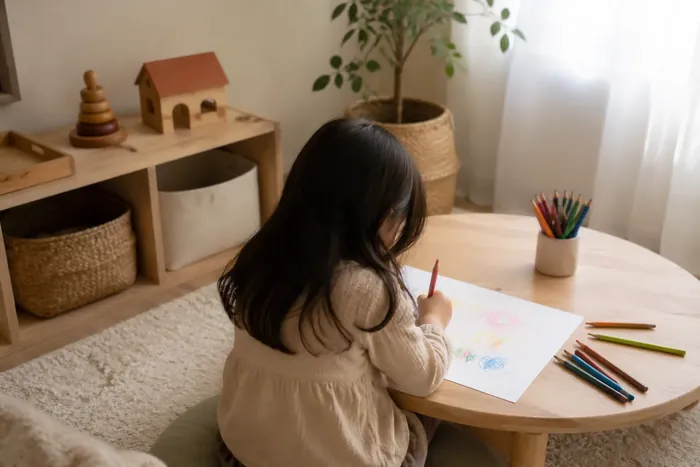
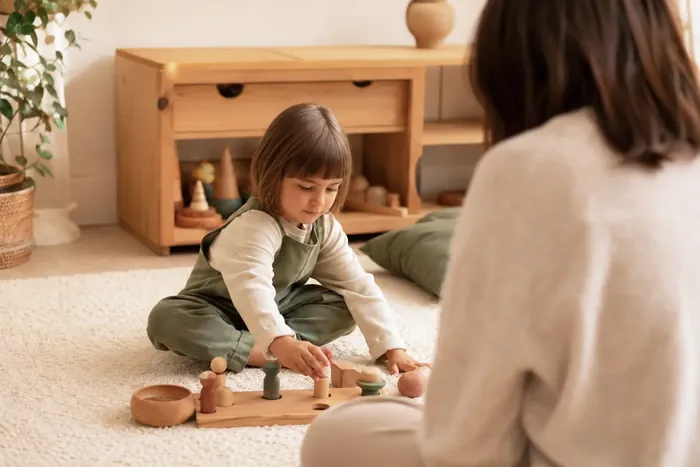
Small children don't describe feelings in words — they show them in play and drawing. The work goes in short play sequences and through the parents: most of the change you make at home, and I show you how.
A school-age child can already talk about what makes them angry and afraid, but does it more safely alongside an activity — a game, a drawing, a story. Sessions with the child alternate with meetings for the parents.
With a teenager I work as I would with an adult, respecting their territory. Online is often easier for them than a consulting room. Parents take part less often, but stay informed about what matters.
| Format | Length | Price |
|---|---|---|
| Child session | 50 minutes | 60 € |
| Parents meeting without the child | 50 minutes | 60 € |
In-person sessions take place in Almaty. Whether online works for your child, we decide at the first meeting, based on their age.
For a child or a teenager to trust the work, they need a space of their own that is protected. So the rule is this: I tell parents about the dynamics — what is changing, what to pay attention to, how to help at home. I do not retell the content of the sessions — what the child said, what they drew, what they shared. There is one exception, and everyone knows it: if a risk to life and safety appears, I tell the parents immediately. With a teenager we say this rule out loud at the first meeting — in front of them and in front of you.
This is not about keeping secrets from you. It is the condition that makes the work possible at all: a child whose words are handed to adults verbatim usually goes quiet very quickly.
A short set of rules the work is built on. They are the same for every format and do not change from session to session.

I tell you what you need in order to understand your child's state and support them, but I don't retell every personal sentence. The limits of confidentiality are explained to the family in advance.
Fixing a number in advance would be wrong: it depends on the age, the request and the contact with the child. We'll talk about a rough guide after the first meeting with the parents.
The first conversation is with the parents. After that it depends on age and task: sometimes the child works separately, sometimes an adult stays for part of the session.
No — work under pressure doesn't help. We start with a meeting for the parents; often the first changes come from what you change at home. We explain to the child in simple words what the session is for and how it goes — without labels and without threats.
Often that is a teenager trying to keep control of the situation, not a final refusal. We start with the parents and offer the teenager a format that is easier to accept — online, from their own territory, is sometimes easier than a consulting room.
Tell the truth in simple words: “you'll talk and play with someone who helps when things feel anxious or hard”. Don't promise that they will be fixed there, and don't turn the visit into a punishment or a surprise.
Online sessions are prepaid in full at booking. Free rescheduling up to 24 hours ahead.
You don't need to put a label on your child in advance or look for someone at fault. At the first meeting with the parents we'll go through the context and work out what kind of support fits right now.